Category: Culture

  • The Evolution of Digital Art and NFT Markets

    The Evolution of Digital Art and NFT Markets

    The art world has been transformed by digital technology, with NFTs (Non-Fungible Tokens) creating new possibilities for artists and collectors alike. What began as a niche experiment has evolved into a significant cultural and economic movement.

    Digital artists are now able to monetize their work in ways that were previously impossible, while collectors can own and trade unique digital pieces with verified authenticity. This has opened doors for creators who might not have had access to traditional gallery systems.

    However, the NFT market has experienced significant volatility, with prices fluctuating dramatically. Critics question the environmental impact of blockchain technology, while supporters argue it’s revolutionizing art ownership.

    As the market matures, we’re seeing more thoughtful approaches to digital art, sustainability, and long-term value. The conversation continues to evolve as artists, collectors, and platforms navigate this new landscape.
  • Minimalism in Modern Design: Less is More

    Minimalism in Modern Design: Less is More

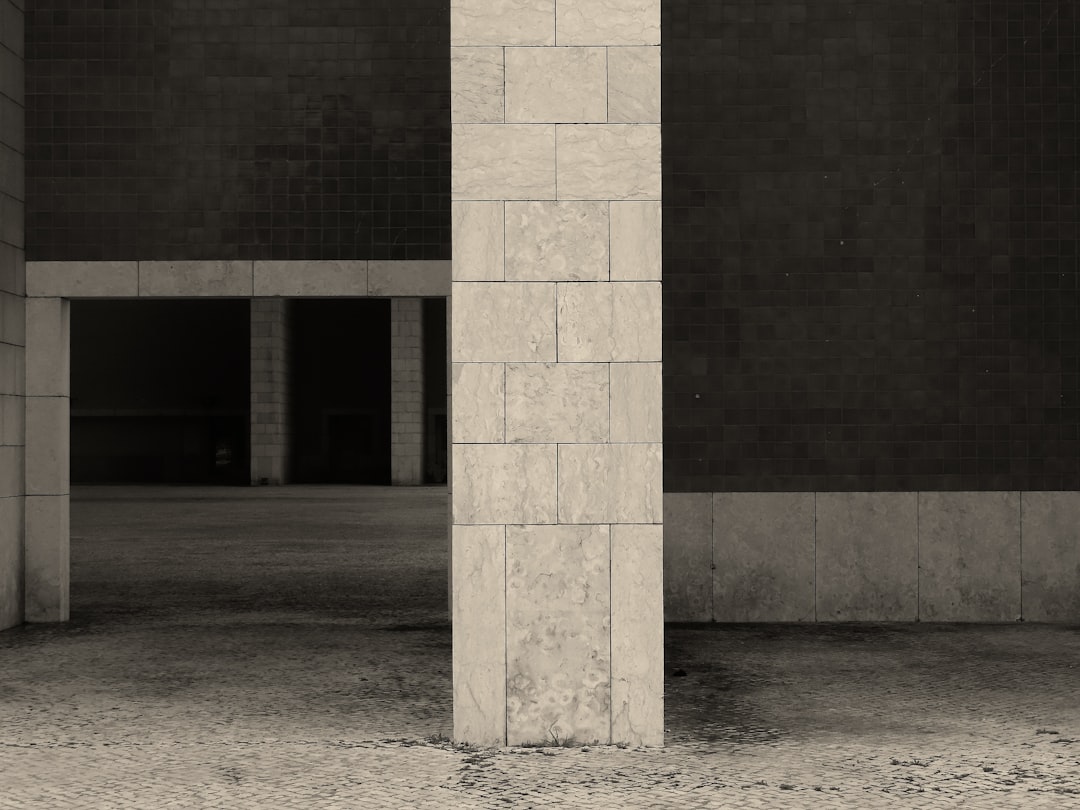
    Minimalist design principles have gained renewed popularity in recent years, influencing everything from architecture to digital interfaces. The philosophy of ‘less is more’ resonates in our increasingly cluttered world.

    At its core, minimalism isn’t about emptiness—it’s about intentionality. Every element serves a purpose, and unnecessary decoration is removed. This approach creates spaces and products that are both beautiful and functional.

    In digital design, minimalism improves usability by reducing cognitive load. Clean interfaces help users focus on what matters, whether they’re using an app, browsing a website, or reading content.

    This exploration of minimalist design examines its principles, applications, and why it continues to resonate in our complex modern world.