Author: admin

  • The Future of Artificial Intelligence: What 2025 Holds for Tech Innovation

    The Future of Artificial Intelligence: What 2025 Holds for Tech Innovation

    As we step into 2025, artificial intelligence continues to reshape industries at an unprecedented pace. From generative AI models that create stunning visual content to advanced language models that understand context with remarkable precision, the technological landscape is evolving faster than ever before.

    Major tech companies are investing billions in AI research, with breakthroughs happening monthly. The integration of AI into everyday applications—from healthcare diagnostics to autonomous vehicles—promises to revolutionize how we live and work.

    However, with great power comes great responsibility. Ethical considerations around AI development, data privacy, and job displacement remain critical topics that require careful navigation. As we embrace these innovations, we must ensure they serve humanity’s best interests.

    The next year will likely see significant advances in AI safety, more sophisticated multimodal models, and increased regulation. Stay tuned as we explore these developments in depth.

  • How Remote Work is Transforming Corporate Culture

    How Remote Work is Transforming Corporate Culture

    The shift to remote work has fundamentally altered how companies operate and how employees engage with their work. What started as a necessity during the pandemic has evolved into a permanent fixture of the modern workplace.

    Companies are rethinking everything from office space to team collaboration tools. The traditional 9-to-5 model is giving way to flexible schedules that prioritize results over hours logged. This transformation brings both opportunities and challenges.

    Employee satisfaction surveys show that many workers value the flexibility and work-life balance that remote work provides. However, maintaining company culture and fostering team connections requires intentional effort and new strategies.

    As we move forward, successful organizations will be those that can balance flexibility with connection, autonomy with accountability, and individual needs with team goals.

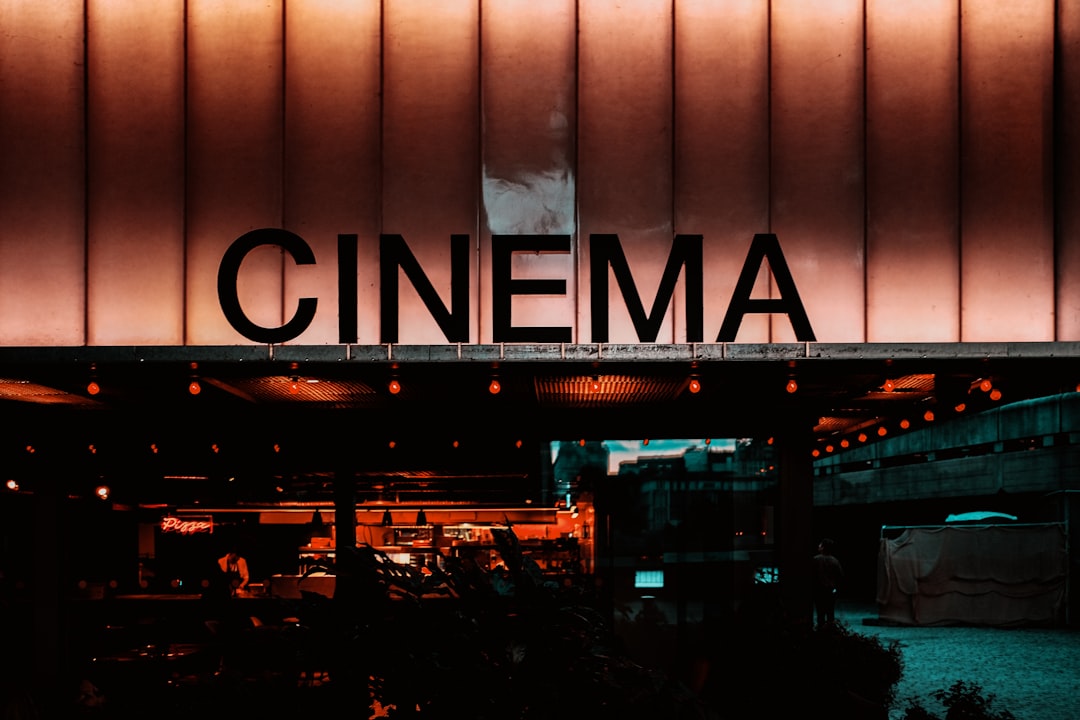
  • The Renaissance of Independent Cinema in the Streaming Era

    The Renaissance of Independent Cinema in the Streaming Era

    While blockbuster franchises dominate the box office, independent filmmakers are finding new life through streaming platforms. Services like Netflix, Hulu, and emerging platforms are providing unprecedented access to diverse voices and stories.

    This shift has democratized filmmaking, allowing creators with limited budgets to reach global audiences. Festival favorites that once struggled to find distribution now premiere directly to millions of subscribers.

    The result is a rich tapestry of storytelling that reflects a wider range of experiences and perspectives. From intimate character studies to bold experimental narratives, independent cinema is thriving in ways that were unimaginable just a decade ago.

    As audiences become more sophisticated and platforms compete for unique content, we’re witnessing a golden age of independent filmmaking that celebrates creativity over commercial appeal.

  • Sustainable Living: Small Changes with Big Impact

    Sustainable Living: Small Changes with Big Impact

    Climate change can feel overwhelming, but individual actions matter more than we often realize. Small, consistent changes in our daily lives can collectively create significant environmental impact.

    From reducing single-use plastics to choosing sustainable transportation options, every decision counts. The key is finding changes that fit your lifestyle and can be maintained long-term.

    Simple swaps like using reusable water bottles, supporting local farmers markets, and reducing energy consumption at home can make a real difference. These actions also often lead to financial savings and improved personal well-being.

    This article explores practical, actionable steps anyone can take to live more sustainably, proving that you don’t need to make drastic changes to contribute to a healthier planet.

  • The Evolution of Digital Art and NFT Markets

    The Evolution of Digital Art and NFT Markets

    The art world has been transformed by digital technology, with NFTs (Non-Fungible Tokens) creating new possibilities for artists and collectors alike. What began as a niche experiment has evolved into a significant cultural and economic movement.

    Digital artists are now able to monetize their work in ways that were previously impossible, while collectors can own and trade unique digital pieces with verified authenticity. This has opened doors for creators who might not have had access to traditional gallery systems.

    However, the NFT market has experienced significant volatility, with prices fluctuating dramatically. Critics question the environmental impact of blockchain technology, while supporters argue it’s revolutionizing art ownership.

    As the market matures, we’re seeing more thoughtful approaches to digital art, sustainability, and long-term value. The conversation continues to evolve as artists, collectors, and platforms navigate this new landscape.

  • Healthcare Policy Reform: What’s Next for America

    Healthcare Policy Reform: What’s Next for America

    Healthcare remains one of the most pressing issues in American politics, with ongoing debates about access, affordability, and quality of care. Recent policy proposals aim to address long-standing challenges in the system.

    The conversation spans multiple fronts: prescription drug pricing, insurance coverage expansion, mental health services, and preventive care access. Each area represents complex challenges that require careful policy design and bipartisan cooperation.

    Public opinion polls consistently show healthcare as a top priority for voters, yet meaningful reform has proven difficult to achieve. The stakes are high, affecting millions of Americans’ daily lives and financial security.

    As we look ahead, understanding the current policy landscape and potential reforms is crucial for informed citizenship. This analysis breaks down the key issues and what might change in the coming years.

  • The Rise of Quantum Computing: Breaking Down the Hype

    The Rise of Quantum Computing: Breaking Down the Hype

    Quantum computing promises to solve problems that are currently impossible for classical computers, from drug discovery to climate modeling. But how close are we to practical quantum applications?

    Major tech companies and research institutions are racing to build more stable, powerful quantum systems. Recent breakthroughs in error correction and qubit stability have brought us closer to quantum advantage—the point where quantum computers outperform classical ones for specific tasks.

    However, significant challenges remain. Quantum systems are extremely sensitive to environmental interference, requiring near-absolute-zero temperatures and sophisticated error correction. The path to practical quantum computing is longer than initial hype suggested.

    This article separates reality from speculation, exploring what quantum computing can actually do today, what’s coming in the next decade, and what remains in the realm of science fiction.

  • Minimalism in Modern Design: Less is More

    Minimalism in Modern Design: Less is More

    Minimalist design principles have gained renewed popularity in recent years, influencing everything from architecture to digital interfaces. The philosophy of ‘less is more’ resonates in our increasingly cluttered world.

    At its core, minimalism isn’t about emptiness—it’s about intentionality. Every element serves a purpose, and unnecessary decoration is removed. This approach creates spaces and products that are both beautiful and functional.

    In digital design, minimalism improves usability by reducing cognitive load. Clean interfaces help users focus on what matters, whether they’re using an app, browsing a website, or reading content.

    This exploration of minimalist design examines its principles, applications, and why it continues to resonate in our complex modern world.

  • The Gig Economy: Opportunities and Challenges

    The Gig Economy: Opportunities and Challenges

    The gig economy has transformed how millions of people work, offering flexibility and independence that traditional employment often lacks. Platforms connecting workers with short-term projects have created new economic opportunities.

    For many, gig work provides the freedom to set their own schedules, choose their projects, and work from anywhere. This flexibility is particularly valuable for parents, students, and those seeking work-life balance.

    However, the gig economy also presents challenges. Income instability, lack of benefits, and uncertain legal protections are ongoing concerns. Workers must navigate these realities while building sustainable careers.

    As this economic model continues to evolve, understanding both its opportunities and limitations is essential for workers, businesses, and policymakers alike.

  • Wellness Trends: What Actually Works

    Wellness Trends: What Actually Works

    The wellness industry is booming, with new trends emerging constantly. From intermittent fasting to cold therapy, biohacking to meditation apps, it can be overwhelming to separate evidence-based practices from marketing hype.

    Scientific research provides valuable insights into which wellness practices actually deliver results. Some trends have solid backing, while others rely more on anecdotal evidence and influencer promotion.

    This article examines popular wellness trends through a critical lens, looking at what science says about their effectiveness. The goal isn’t to dismiss new approaches, but to help readers make informed choices about their health and well-being.

    Remember, what works for one person may not work for another. The best wellness approach is one that’s sustainable, enjoyable, and based on reliable information.